
The evolution of gambling A historical overview of its transformative journey
The Origins of Gambling
The history of gambling can be traced back to ancient civilizations, where it was often intertwined with religious and cultural practices. Archaeological evidence suggests that the Chinese, around 2300 BC, engaged in betting activities involving dice, while ancient Egyptians also had their own games of chance. These early forms of gambling served not just as entertainment but also played a role in social bonding and community gatherings. Modern players can explore neosurf casino options that reflect this enduring tradition.
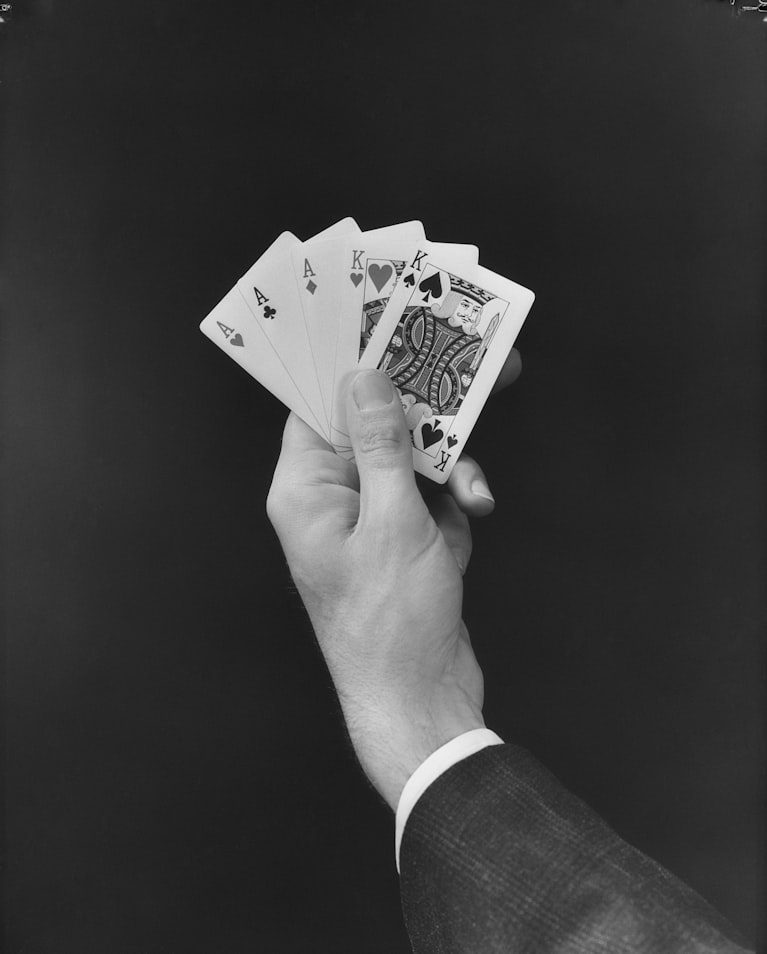
As civilizations evolved, so did gambling. The Romans made significant contributions with their betting on gladiatorial games and the introduction of lotteries. These early forms of organized gambling laid the groundwork for what would become a widespread social activity across various cultures.
The Rise of Formalized Gambling Structures
The Middle Ages saw a surge in formalized gambling structures, particularly in Europe. The establishment of licensed gaming houses marked a significant turning point, as governments began to recognize the potential for tax revenue and regulation. Gambling transitioned from informal betting amongst friends to a more structured industry, where rules were codified, and the potential for profit attracted entrepreneurs.
By the 17th century, games like poker and baccarat emerged, bringing with them new layers of strategy and excitement. The growth of these card games also led to the formation of dedicated establishments, such as casinos, where people could gather to play and socialize.
The Impact of the Industrial Revolution
The Industrial Revolution in the 18th and 19th centuries revolutionized gambling, making it more accessible than ever. The rise of railways enabled people to travel to gaming hubs, leading to the establishment of famous casinos in cities like Monte Carlo and Las Vegas. This era also saw the introduction of slot machines, which created an entirely new segment of the gambling industry.
The social dynamics surrounding gambling changed during this period as well. It became a popular pastime among various social classes, breaking down barriers and creating a shared culture of risk-taking and entertainment. This democratization of gambling set the stage for its modern incarnations.
The Digital Revolution and Online Gambling
The late 20th century brought about a digital revolution, fundamentally transforming the gambling landscape. With the advent of the internet, online casinos began to emerge, offering unprecedented access to games. Players could now gamble from the comfort of their homes, breaking geographical boundaries and changing the way people engaged with gambling.
Online gambling introduced innovations such as live dealer games and mobile gaming, enhancing the overall experience and making it even more user-friendly. As technology advanced, so too did the complexity of gambling options, leading to the rise of various forms such as sports betting, esports betting, and even virtual reality casinos.

Exploring Secure Gambling Options Today
Today, online gambling platforms are focused on enhancing user security and convenience. With options like Neosurf payments, players can engage with top-rated casinos without compromising their personal banking information. This focus on secure payment methods allows players to enjoy a wider array of games while feeling safe. Family-friendly casino options continue to emerge, catering to diverse audiences and interests.
The landscape continues to evolve, with regulatory measures adapting to the burgeoning online gambling industry. Comprehensive guides and resources have emerged, empowering players to make informed decisions about bonuses, deposit methods, and gameplay. By prioritizing user security and convenience, platforms aim to enhance the overall gaming experience, ensuring that gambling remains an entertaining and safe pursuit.
